As Senate Republicans press forward with hearings on former Special Counsel Jack Smith and Acting Attorney General Todd Blanche, a broader question looms: Has the Department of Justice maintained consistent, impartial standards across recent administrations — or have patterns of scrutiny shifted with political winds?
Critics point to repeated instances under Democratic administrations where federal agencies appeared to target conservative or traditional groups. Supporters argue these were legitimate responses to real threats or bureaucratic missteps. The debate touches core issues of religious liberty, parental rights, and the rule of law.
Obama-Era IRS Scrutiny of Conservative Groups
During President Barack Obama’s first term, the Internal Revenue Service came under fire for applying extra scrutiny to conservative and Tea Party organizations seeking 501(c)(4) tax-exempt status.
Groups with names containing “Tea Party,” “Patriot,” or “9/12” faced lengthy delays, detailed questionnaires about donors, reading materials, and affiliations — treatment not equally applied to progressive groups.
A 2013 Treasury Inspector General for Tax Administration (TIGTA) report confirmed that “inappropriate criteria” were used. The scandal led to congressional investigations and eventual settlements, with the DOJ paying millions to affected conservative organizations in later lawsuits.
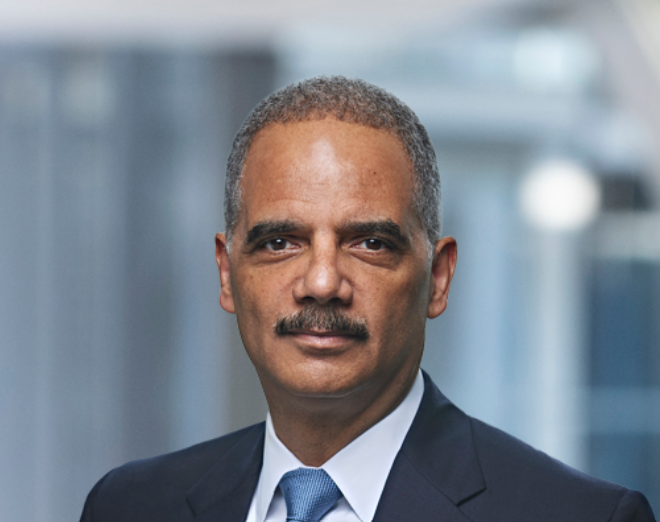
Then-Attorney General Eric Holder, who once described himself as President Obama’s “wingman,” oversaw the DOJ during this period. While no senior officials faced criminal charges, the episode became a flashpoint for claims of politicized enforcement.
Biden Administration: FBI Memo on “Radical-Traditionalist Catholics”
In January 2023, the FBI’s Richmond Field Office produced an internal memo titled “Interest of Racially or Ethnically Motivated Violent Extremists in Radical-Traditionalist Catholic Ideology.”
The document flagged “radical-traditionalist Catholics” (RTCs) as potential domestic violent extremists, linking the ideology to rejection of Vatican II, Latin Mass preferences in some cases, and citing the Southern Poverty Law Center. It distinguished these from mainstream traditional Catholics who simply prefer the Traditional Latin Mass.
The memo was leaked in early 2023 and widely condemned by Catholic leaders and conservatives as religious profiling.
A subsequent DOJ Inspector General review found the memo violated professional standards but concluded there was “no evidence of malicious intent.” However, later oversight by Senate Judiciary Chairman Chuck Grassley and the House Judiciary Committee revealed the memo was distributed far more widely than initially disclosed — to over 1,000 FBI personnel — and that at least 13 additional internal FBI documents used similar terminology.
House Judiciary Republicans released a detailed interim report in July 2025 documenting what they described as a broader effort. Some FBI analysts tied to the memo were later fired under new leadership.
Biden-Era School Board Memo
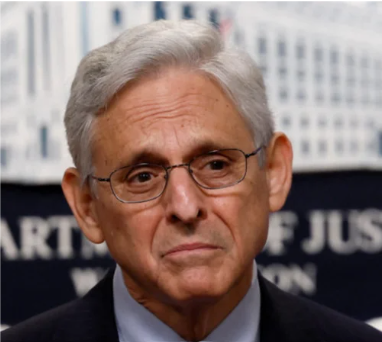
In October 2021, Attorney General Merrick Garland issued a memorandum directing the FBI and U.S. Attorneys to address what the department called “a disturbing spike in harassment, intimidation, and threats of violence” against school administrators and board members.
The memo followed a letter from the National School Boards Association (NSBA) to President Biden that compared some protesting parents — concerned about COVID policies, curriculum, and gender issues — to domestic terrorists and suggested using the Patriot Act.
The NSBA later apologized for the letter’s language. Critics, including dozens of state attorneys general, accused the DOJ of chilling parental speech and using federal law enforcement to intimidate parents at local school board meetings.
House investigations later revealed internal DOJ communications and claimed coordination between the White House, DOJ, and NSBA. Whistleblowers alleged the FBI created threat tags and opened investigations into some parents.
Garland maintained the directive focused solely on actual threats and violence, not protected speech.
The Bigger Picture: Questions of Consistency
These episodes — alongside ongoing oversight into Special Counsel Jack Smith’s handling of congressional communications and Acting AG Todd Blanche’s nomination — have fueled Republican arguments that DOJ priorities have at times aligned with political opponents of the sitting administration.
Defenders counter that every administration faces unique threats and that isolated memos or enforcement decisions do not equal systemic weaponization. They note that Republican administrations have also faced accusations of selective enforcement.
Still, the recurring themes — IRS targeting of conservatives, FBI interest in traditional Catholics and Latin Mass communities, and federal involvement in local school disputes — have eroded public trust for many Americans.
Senate Judiciary Chairman Chuck Grassley and others are pushing for greater transparency and accountability, including hearings on both past and current DOJ actions.
As the nation watches the Blanche confirmation process and the continued release of documents from prior investigations, one question remains central: Can the Department of Justice restore consistent, apolitical standards that serve all Americans equally?
Have a correction or tip? See our
corrections policy or contact the newsroom.