Drug-Resistant Fungus Candida auris Reported in Nearly Half of U.S. States This Year
Provisional CDC data show more than 3,400 clinical cases of the multidrug-resistant yeast so far in 2026 across roughly two dozen states, including Louisiana, with the highest activity concentrated in healthcare settings.
By Lynn Matthews - August 6, 2026
A multidrug-resistant fungus known as Candida auris (C. auris) continues to circulate in U.S. healthcare facilities, with provisional Centers for Disease Control and Prevention data showing more than 3,400 clinical cases reported nationwide so far in 2026 across roughly two dozen states—nearly half the country—including Louisiana.
According to CDC weekly notifiable disease tables for the week ending July 25, 2026, there were 3,437 cumulative clinical cases among U.S. residents year-to-date. That figure is lower than the 4,290 cases recorded at the same point in 2025. Earlier snapshots through mid-July put the total closer to 3,100–3,200. Numbers remain provisional and subject to revision as states update reports.
Texas, Michigan, and Illinois have consistently ranked among the highest-reporting states in recent weekly data, with other activity noted in Arizona, Georgia, Indiana, Louisiana, Maryland, Nevada, New Jersey, Ohio, Pennsylvania, Tennessee, Virginia, and Wisconsin, among others. Some reports list 23 states with confirmed activity; others cite up to 26 when including additional screening or updated submissions. The fungus has been documented in every major U.S. region.
What is Candida auris?
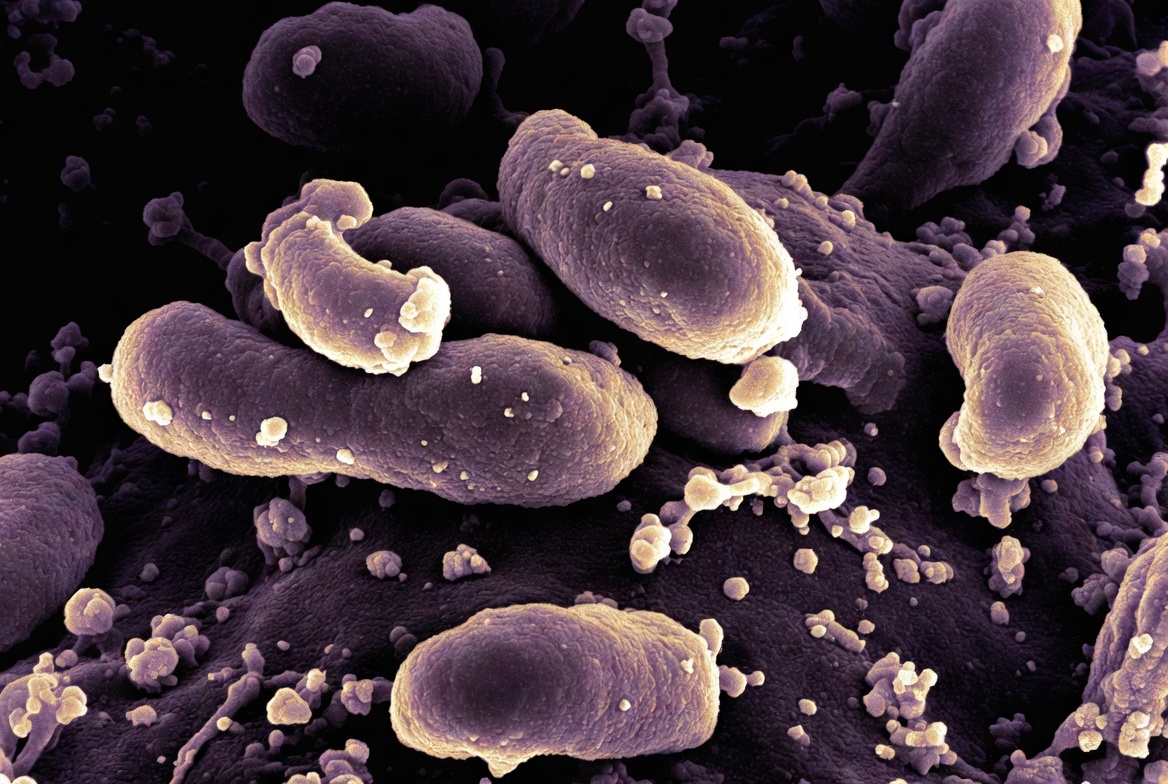
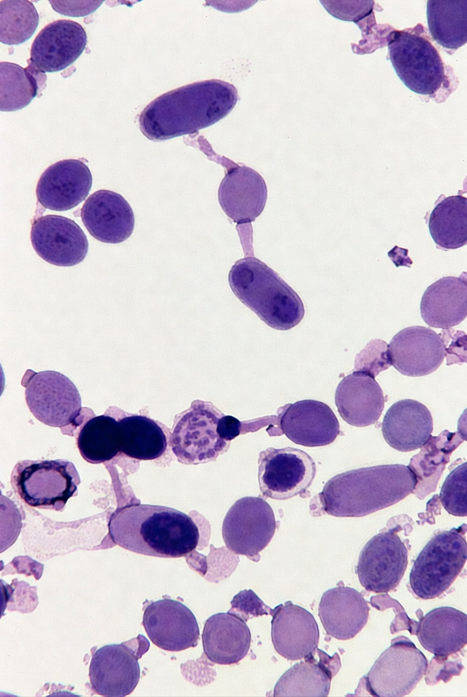
C. auris is a yeast that can cause invasive infections of the bloodstream, wounds, urine, or other body sites. First identified in Japan in 2009 and detected in the United States around 2013–2016, it is designated an urgent antimicrobial resistance threat by the CDC because some strains resist multiple antifungal drugs, including the mainstay class known as echinocandins, and, in rarer cases, other antifungal classes.
It spreads primarily in hospitals, long-term acute-care hospitals, and nursing homes through contact with contaminated surfaces, medical equipment (such as catheters or ventilators), or colonized patients who carry the fungus on their skin without symptoms. The organism can persist on surfaces for extended periods and is not always eliminated by standard disinfectants.
Image Generaged by Grok Imagine by XAI
Healthy people in the community face very low risk. The overwhelming majority of clinical cases occur among patients who are already seriously ill, often older adults with invasive devices or weakened immune systems. A CDC analysis of cases from 2022–2024 found that about 88% occurred in people aged 45 and older, with most specimens collected in acute-care settings.
Mortality associated with invasive C. auris infections is estimated at 30–60% in published studies, though many patients have concurrent serious illnesses, making it difficult to isolate the fungus’s exact contribution.
Longer-term trend
Clinical cases have risen steadily since 2016. CDC surveillance recorded 2,882 cases in 2022, 4,428 in 2023, and 6,197–6,304 in 2024. Absolute numbers continued to climb even as the annual percentage increase slowed. Screening (colonization) cases have also risen, reflecting expanded testing in high-risk facilities.
Public health response
CDC guidance emphasizes early detection through laboratory testing and screening of high-risk patients, strict adherence to infection prevention and control practices (hand hygiene, contact precautions, and use of effective disinfectants), and careful inter-facility communication when transferring patients. Most infections remain treatable with available antifungals, though resistance requires susceptibility testing to guide therapy.
WECU News will continue monitoring official CDC updates. Readers seeking the most current provisional counts or state-level details should consult the CDC’s Candida auris tracking pages and the National Notifiable Diseases Surveillance System weekly tables, which are updated regularly and remain subject to revision.