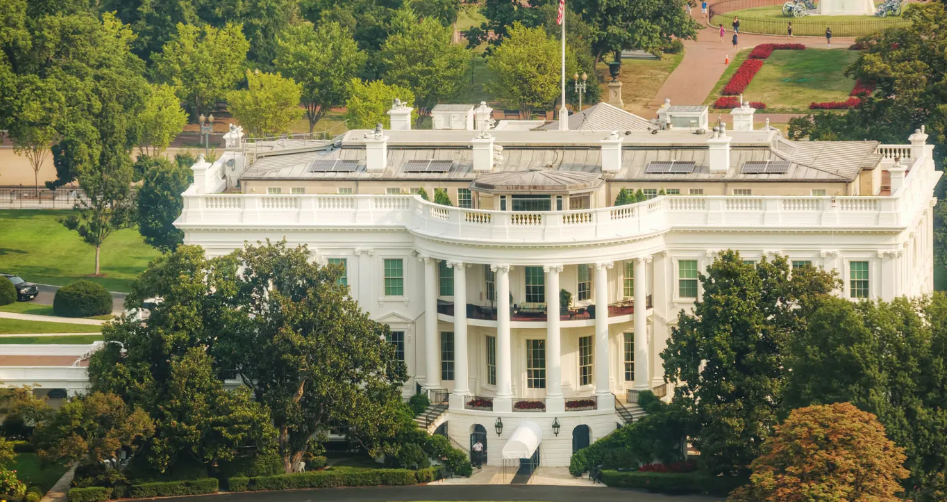
A federal judge ordered the Trump administration this week to restore White House press credentials for journalists at CNN, MS NOW and Politico, ruling that the outlets were likely denied due process when their hard passes were revoked without notice or an opportunity to respond.
U.S. District Judge Timothy Kelly, a Trump appointee who restored CNN correspondent Jim Acosta's pass on the same due process theory in 2018, issued a 14-day temporary restraining order early Thursday, hours after an emergency hearing. The three outlets sued Monday after President Trump announced Friday, September 18, that he was "banning" them from the White House over what he called "FAKE NEWS." Reporters were turned away and had their passes deactivated the next day.
Kelly ordered the hard passes restored and refused to delay the order's effective date. He based the ruling on the Fifth Amendment, not the First Amendment claims the outlets also raised. Plaintiffs had shown a likelihood of success "at least on their Fifth Amendment procedural due process claim," he wrote. He did not decide whether the ban amounted to viewpoint discrimination.
The governing standard comes from a 1977 D.C. Circuit decision, Sherrill v. Knight, and from Karem v. Trump. Those cases require two things before the White House revokes an already issued hard pass: notice and a chance to be heard, and published standards specific enough that a reporter can know what conduct is punishable. Kelly found the administration likely failed both. Defendants did not dispute that the outlets received no advance notice. He also treated the White House's stated standard of "professionalism and decorum" as too vague to do the work the precedent requires.
Trump's own announcement focused on the "lack of truthfulness and negativity" of the outlets' reporting. National security language arrived later, in Tuesday letters to the outlets and in the Justice Department's brief, which said the organizations had violated professional standards by "trafficking in verifiable falsehoods about national security" and "publishing sensitive or classified information." Kelly was not persuaded this was the actual motive.
"The court is skeptical, at least on this record, that Defendants' interest in safeguarding national security is the actual motivation for, or is even advanced by, the revocation of Plaintiffs' hard passes," he wrote. Some of the stories cited in the letters dated back months or years. He described them as routine coverage rather than security breaches. Nothing in the pre-lawsuit record, he noted, suggested national security had driven the ban.
One example cited against Politico, a June 2026 story on efforts to end the war in Iran, quoted a "senior administration official" putting the odds of a preliminary deal at 80 to 85 percent. The Washington Post reported that the quote came from an official White House press call whose ground rules required reporters to use that anonymous attribution; later reporting identified the speaker as Vice President JD Vance. Other outlets used the same call and were not banned. It was one of several stories listed in the letters, not the whole case.