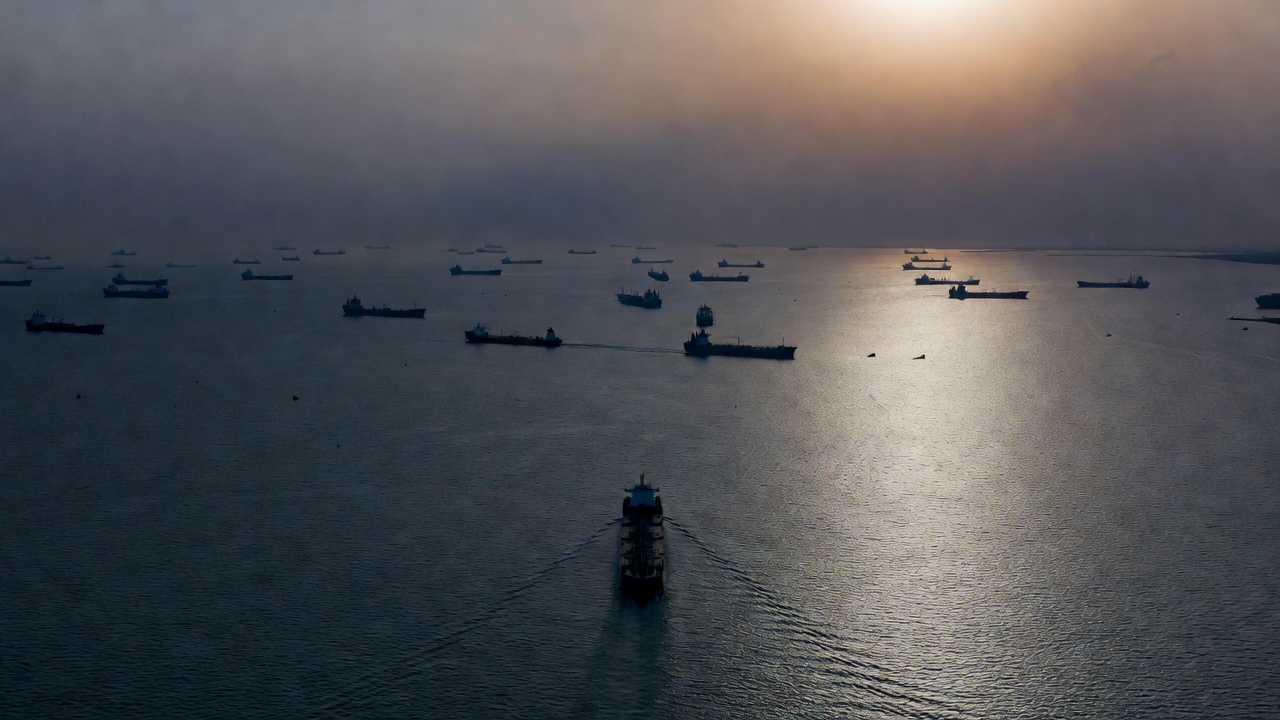
Shipping Grinds to a Halt
Shipping through the Strait of Hormuz, the world's most critical energy chokepoint, slowed to a near-standstill over the weekend as the 60-day window under the June Islamabad Memorandum of Understanding between the United States and Iran expired without a broader agreement.
According to ship-tracking data from Kpler, five commodity vessels transited the strait Saturday and none on Sunday, compared with more than 130 ships a day before the conflict began in late February. Overall traffic has fallen to roughly 1-7% of pre-war levels, with hundreds of vessels stranded or holding position inside the Persian Gulf and war-risk insurance premiums reported as high as 30 times normal.
Iran Calls the Deadline Meaningless
Iranian Foreign Ministry spokesman Esmaeil Baqaei told reporters Monday there was "no such thing as a 60-day deadline" in the MoU text. He said that because the U.S. violated the June 18 agreement within weeks of signing it, Iran never initiated talks, rendering the 60-day negotiating window moot. Baqaei added that Iran's focus remains on managing current affairs while its armed forces maintain full vigilance.
What the MoU Actually Required
Key Provisions
The Islamabad MoU, signed after Pakistani-mediated talks and physically signed by President Trump at a dinner at the Palace of Versailles, called for an end to military operations, the lifting of the U.S. naval blockade on Iranian ports, and a 60-day period for negotiations on sanctions relief and Iran's nuclear program. Hostilities resumed within weeks, including Iranian attacks on commercial shipping that prompted U.S. strikes.
Tehran has warned it will escalate if Washington fails to meet its conditions within weeks, including the possibility of a more offensive posture in the Strait of Hormuz. Iran is also offering a $30,000 bounty for the killing or capture of U.S. soldiers, with higher rewards claimed for certain participants. Meanwhile, Iranian officials continue limited discussions with Oman on possible transit routes, though any broader reopening remains tied to political conditions.