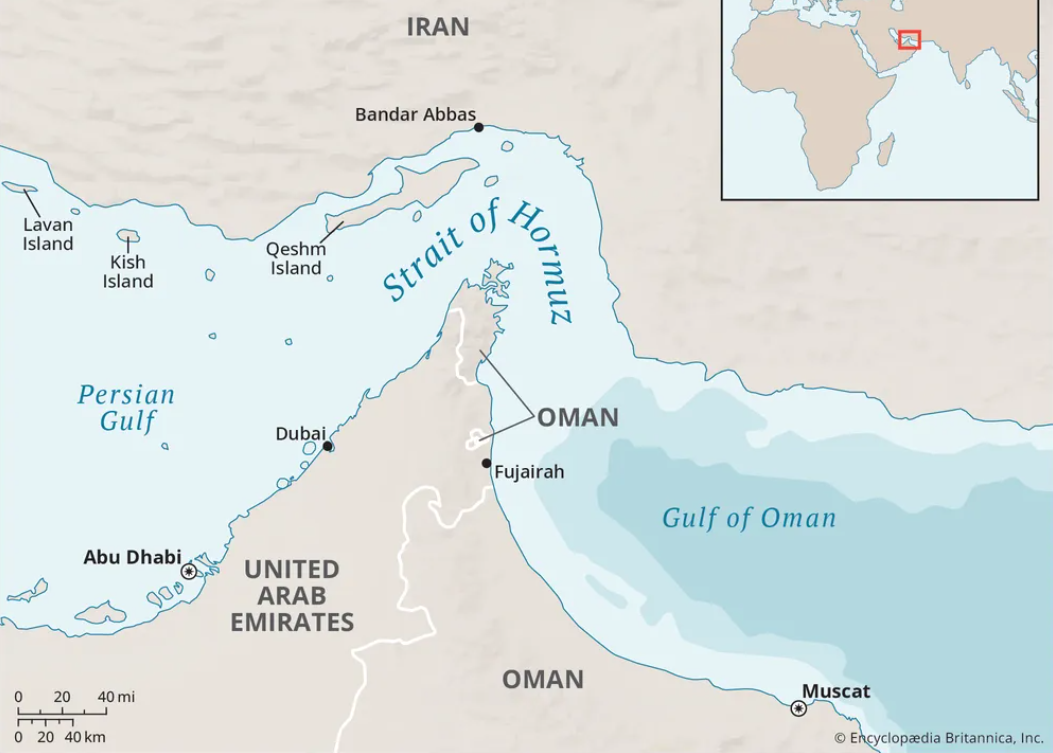
— Iran has hardened its public position on the Strait of Hormuz, declaring the vital waterway will remain closed until the United States meets a sweeping list of political, military and financial conditions, according to statements from Iranian officials.
On Saturday, Mohammad Bagher Zolghadr, then-secretary of Iran's Supreme National Security Council, said the strait would not reopen "until America corrects its behavior." In a statement carried by Iranian state media, Zolghadr demanded that Washington permanently end military operations against Iran and its regional allies, lift its naval blockade of Iranian ports, withdraw U.S. forces from the area, pay compensation for wartime damage, end all sanctions and unconditionally release frozen Iranian assets.
The hardened stance comes as Iran and Oman have been discussing limited navigational arrangements for the strait. Iranian Foreign Minister Abbas Araghchi told reporters those technical talks were nearing their final stages, but emphasized that any full reopening remained "subject to other conditions," including U.S. amends for what he called a violation of the memorandum of understanding the two countries reached in June — specifically pointing to Article Five of that agreement, which called on Iran to "make arrangements" for vessel transits through Hormuz.
On Sunday, Iran also announced a leadership change at the top of its security apparatus. President Masoud Pezeshkian appointed former Revolutionary Guards commander Mohsen Rezaei as the new secretary of the Supreme National Security Council, replacing Zolghadr. Supreme Leader Mojtaba Khamenei simultaneously named Rezaei as his personal representative on the council. Zolghadr was reassigned as a political adviser to the supreme leader.
Rezaei, who commanded the Islamic Revolutionary Guard Corps from 1981 to 1997, has previously advocated for Iranian control over the strait and the right to impose conditions or fees on transit — a background that suggests Tehran's posture on Hormuz is unlikely to soften with the change in personnel.