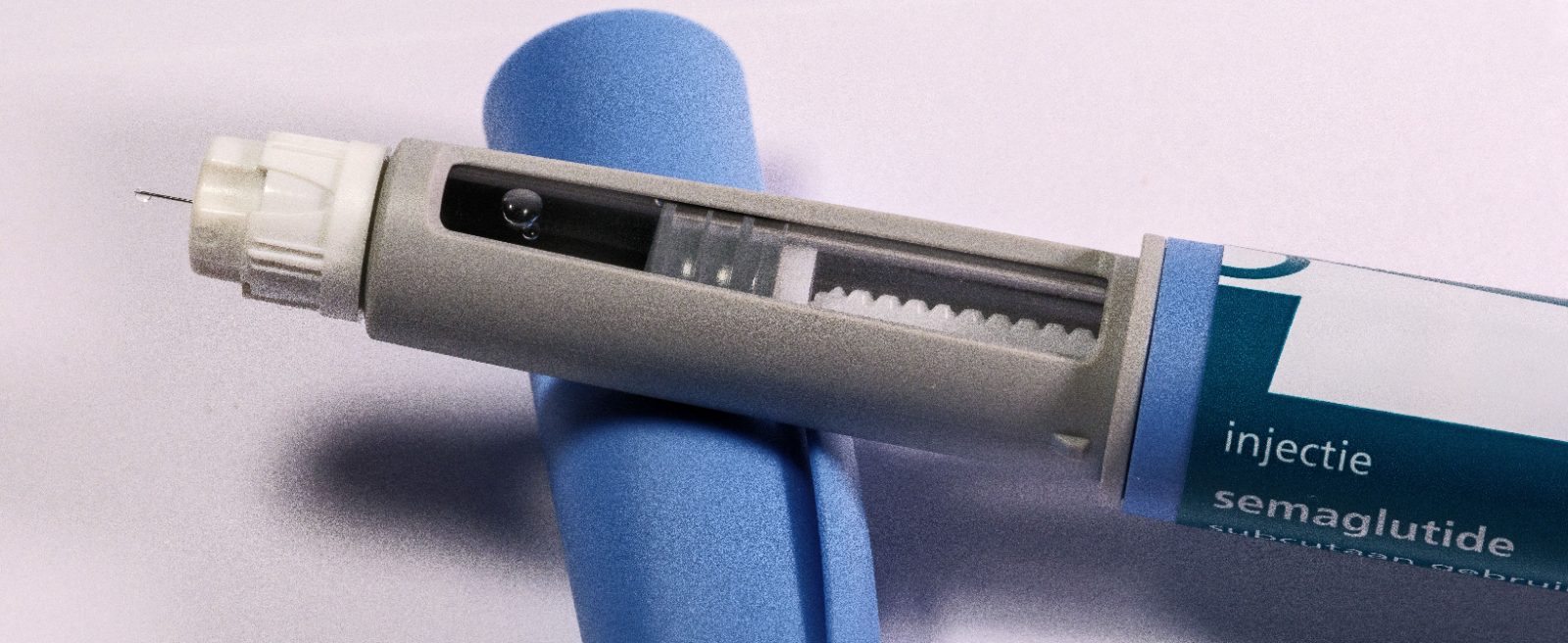
A survey of nearly 1,900 people found users of popular weight-loss drugs reported far more nail and hair problems. Whether the drugs are the reason is still an open question.
RESEARCH REVIEW
A fingernail that lifts away from the skin underneath it is not what most people expect from a weight-loss drug. In a new survey, nearly four in ten people taking drugs like Ozempic said it had happened to them. Among similar people who were not taking the drugs, fewer than one in ten did.
The survey was presented Oct. 1 at a major European dermatology meeting in Vienna. It covered GLP-1 drugs, a class that includes Ozempic and Wegovy and is widely prescribed for type 2 diabetes and weight loss. Researchers compared 575 users with 1,329 people who had type 2 diabetes or obesity and had never taken them, recruited in France, the United States, Brazil and Mexico.
What the survey found
According to the conference release, 39% of users said a nail had lifted away, compared with 9% of the comparison group. Two in three users (66%) reported at least one kind of nail problem, compared with 53% of the others, and 46% of users noticed nail discoloration, compared with 17%. After the researchers accounted for skin conditions and nutritional deficiencies, nail detachment and discoloration were still two to three times more common among users.
A companion study found more hair trouble as well. Half of users (50%) described unusual hair loss, compared with 34% of the others. Thinning or loss of hair density was reported by 42% of users and 19% of the others, and hair loss that began after treatment started by 26% and 12%. Users were about three times as likely to report a red scalp. Dr. Bruno Halioua, who led that study, said scalp inflammation "was the rule rather than the exception, which clinicians do not currently look for." Dr. Charles Taïeb, a lead researcher on the nail study, said that until now nail changes linked to these drugs "had essentially been anecdotal."
What is still unsettled
The nail result is the shakiest part. About half of the users said they already had nail problems before they started treatment. When the researchers counted only nail changes that began after treatment started, Healthline reported, the link with nail detachment "nearly disappeared." Taïeb told the outlet that "a substantial part of the nail excess reflects the patients' overall health rather than the drug itself," although a "modest drug-specific effect remains plausible." That finding is secondhand. The conference release does not include it, and the report gives no figures. The published reports do not say whether a similar new-cases check was done for hair.
Other limits apply to both studies. Everything was self-reported, and no doctor examined anyone's nails or scalp. A nail "lifting away" is what a person described, not a confirmed diagnosis. The comparison group is not a perfect match, since diabetes and obesity can themselves affect nails and hair, and the adjustments relied on conditions participants reported themselves. The work was presented at a conference, and a trade-press summary says it has not been peer reviewed. It received institutional support from Ducray Laboratories, part of the Pierre Fabre Group, a company that sells skin and hair-care products.
Dr. Christos Tziotzios, a dermatologist who was not involved, told Science Focus that a direct effect "remains unproven." The researchers suggested rapid weight loss and reduced food intake could explain some of the changes. Halioua said the scalp findings may "go beyond the classical shedding seen after rapid weight loss," which he described as a hypothesis to test. A peer-reviewed survey from Saudi Arabia of 152 users found shedding was more common among people who lost more weight, 83% of those who lost at least 15% of their body weight against 40% of those who lost less than 5%. That survey had no comparison group and an online sample that likely attracted people with side effects.
What patients are being told
The researchers describe the changes as common and usually harmless. "These changes are frequent, usually benign, and are not a reason to stop an effective treatment on one's own initiative," Halioua said. They advise telling a doctor about hair shedding, an itchy or red scalp, or nail changes. The team plans follow-up studies that track patients from the day they start treatment, with exams and blood tests for iron, zinc, vitamin B12, vitamin D, and protein.
People on these drugs report more nail and hair problems than similar people who are not. Whether the drugs are the cause is the question the next studies aim to answer.
Sources:
European Academy of Dermatology and Venereology (EADV): Nail detachment over four times more common among GLP-1 users, first controlled study finds (Oct. 1, 2026)
EurekAlert: EADV Congress 2026 press release on GLP-1 nail and scalp studies
Alharbi S, Alkhalifah A. Prevalence and Predictors of Hair Shedding among GLP-1 Receptor Agonist Users: A Cross-Sectional Study from Saudi Arabia. Skin Appendage Disorders (online Jan. 19, 2026)
Medical Daily: GLP-1 Users Reported Nail Detachment Four Times as Often as Nonusers in an Early International Dermatology Survey
Healthline: Ozempic: Unusual GLP-1 Side Effects Include Detached Nails, Hair Loss
Science Focus: Experts have found an unexpected side-effect of weight-loss drugs
Gizmodo: Hair Loss Was Just the Start. Ozempic Users Are Also Reporting Nail Trouble
HCPLive: Nail Detachment 4 Times More Common With GLP-1 Use
Have a correction or tip? See our
corrections policy or contact the newsroom.