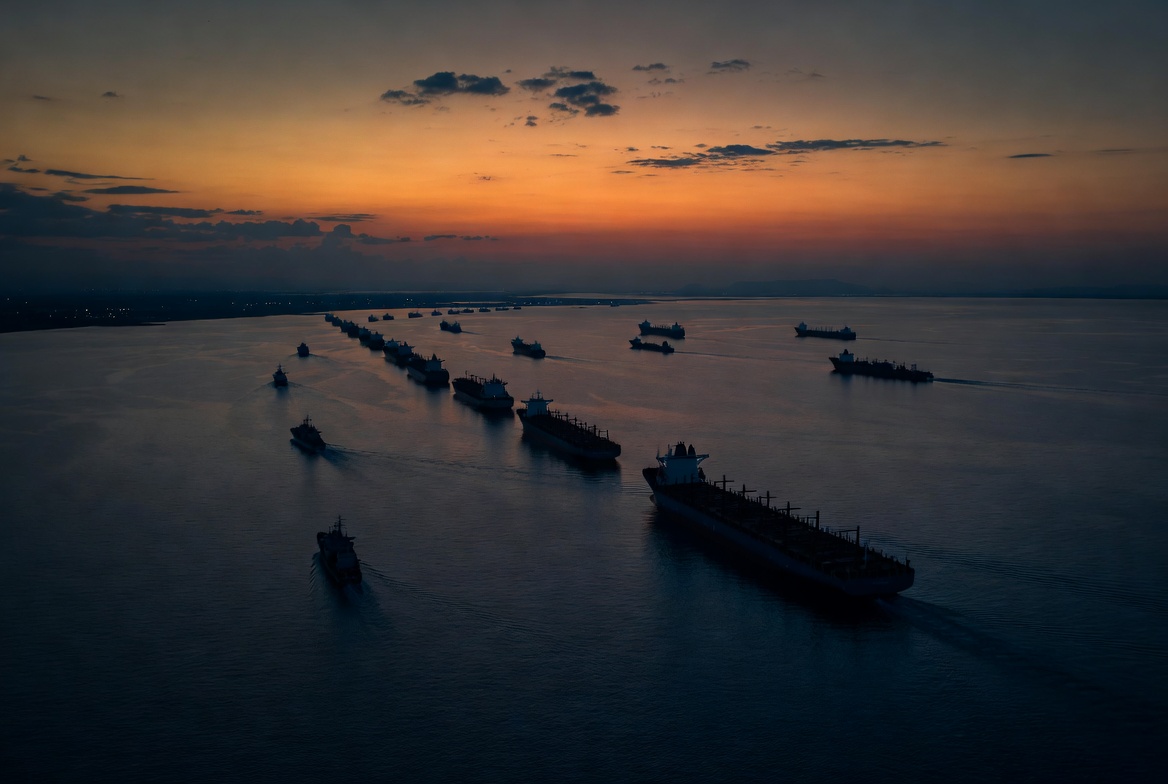
A 14-nation coalition led by Riyadh will guard the Red Sea and Bab al-Mandab shipping lanes after Houthi forces declared a blockade on Saudi vessels — though the UAE and Oman are notably absent from the founding group.
Saudi Arabia on Thursday announced the creation of a new Multinational Maritime Defense Alliance with 13 other countries, aimed at protecting freedom of navigation and energy supply routes through the Bab al-Mandab Strait, the Red Sea and the Gulf of Aden. The move comes as Iran-backed Houthi forces in Yemen have declared a maritime blockade on Saudi shipping and claimed a series of attacks on vessels, at a time when the Red Sea has become a vital alternative export path for Saudi oil because of disruptions in the Strait of Hormuz linked to the wider U.S.-Iran conflict.
What the Alliance Involves
According to a joint statement issued after a high-level meeting in Riyadh hosted by the Saudi Ministry of Defense, the alliance is a defensive framework designed to enhance maritime security, protect international trade routes, and secure energy corridors.
Fourteen countries endorsed the initiative: Saudi Arabia, Kuwait, Bahrain, Qatar, Türkiye, Egypt, Jordan, Pakistan, Yemen, Bangladesh, Nigeria, Sudan, Djibouti, and Somalia. Saudi Arabia will serve as the founding and leading state, with the alliance’s permanent headquarters, joint command, and operations centers based in Riyadh.
Representatives from 43 countries (out of 51 invited), along with a European Union delegation, attended the meeting. The United Arab Emirates and Oman were notably absent from the founding group, though the alliance remains open to additional members once they complete national procedures.
No specific military commitments — such as ship deployments or troop numbers — were announced. Participants agreed to continue work on a formal charter, organizational structure, and operational mechanisms.
Context and Skepticism
The alliance reflects Saudi concerns that Houthi attacks could choke a vital alternative export route at a time when Hormuz traffic remains limited. Saudi officials described the effort as purely defensive and consistent with international law and the UN Charter.
Questions remain about how the new coalition will coordinate with existing efforts, including the European Union’s Aspides naval mission in the Red Sea. Analysts note that the absence of key Gulf partners and the lack of immediate operational details mean the alliance’s effectiveness will depend on follow-through in the coming weeks.
What Happens Next
Military planners from participating countries are expected to finalize the charter and command arrangements. Additional nations may join after completing domestic approval processes. Saudi Arabia has emphasized that participation in any operational activities remains a sovereign decision for each member state.
For now, the announcement marks a formal step toward collective maritime defense in one of the world’s most strategically important waterways. Whether it translates into sustained joint patrols and meaningful deterrence remains to be seen.
Sources:
Saudi Ministry of Defense / Saudi Press Agency statement
Al Jazeera: https://www.aljazeera.com/news/2026/7/20/yemens-houthis-declare-naval- blockade-of-saudi-arabia-what-to-know
Reuters: https://www.reuters.com/world/middle-east/yemens-houthis-are-attacking-saudi-arabia-iraq-sources-say-2026-07-30/
Financial Times: https://www.ft.com/content/926bad8a-55e0-4d1d-8612-7ebd0aaef4ee?syn-25a6b1a6=1
Have a correction or tip? See our
corrections policy or contact the newsroom.