University of Minnesota's 'MyGender Dolls,' With Removable Genitalia, Set for 2026 Launch to Clinicians Treating Kids as Young as 4
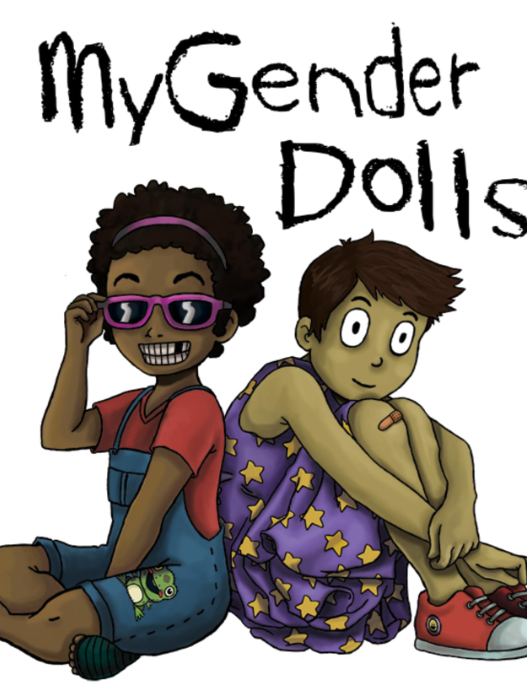
A University of Minnesota research institute is preparing to launch "MyGender Dolls" in 2026 — therapeutic dolls with removable genitalia for children as young as 4 — drawing criticism from a pediatricians' group and new questions about who's funding the project.
By Lynn Matthews - July 26, 2026
A taxpayer-linked research institute's therapeutic doll project is drawing fire from a pediatricians' group and scrutiny over its funding, as questions mount about who's actually paying for it.
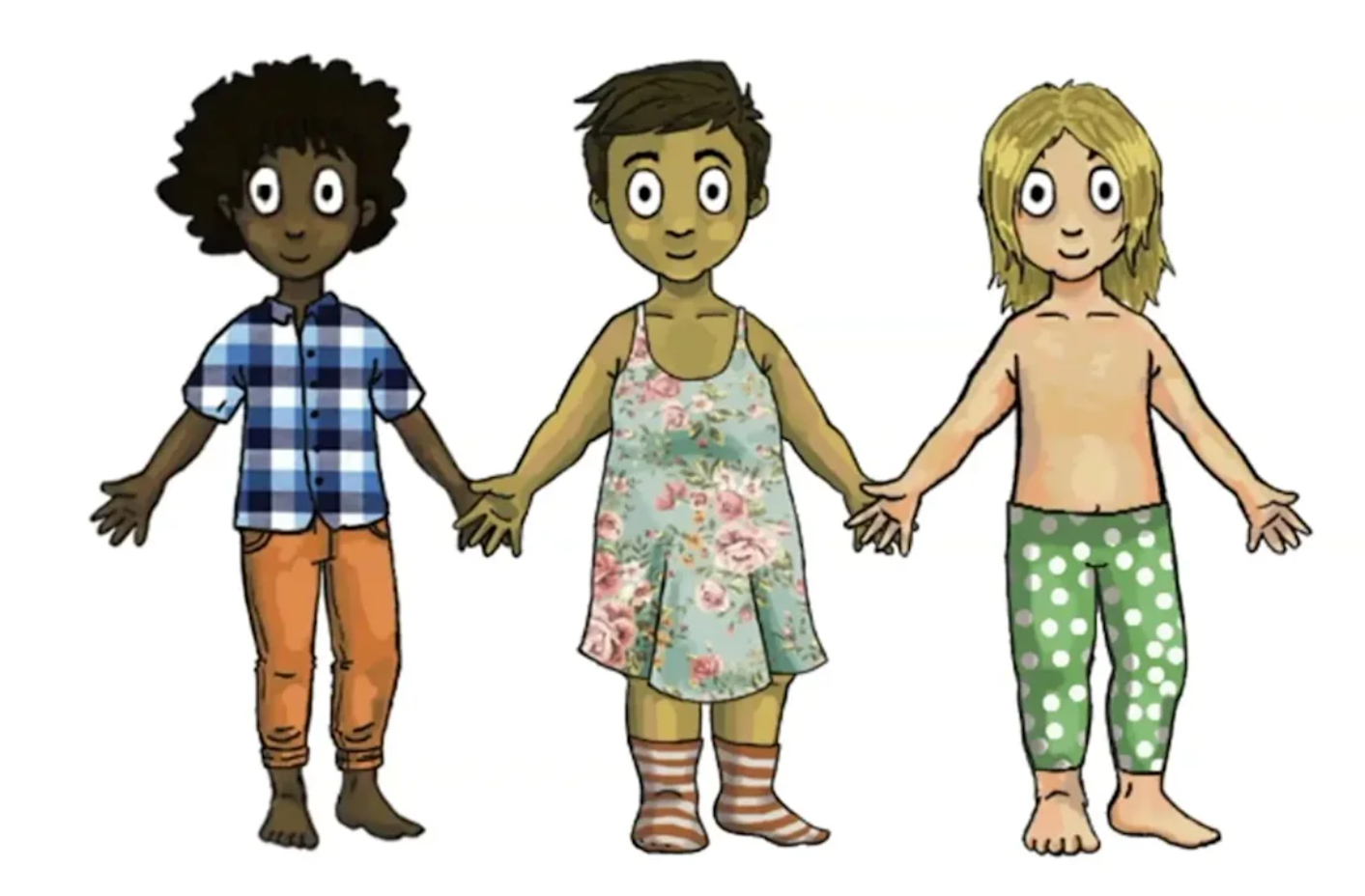
Researchers at the University of Minnesota's Eli Coleman Institute for Sexual and Gender Health are preparing to launch "MyGender Dolls" in 2026 — a set of therapeutic play dolls for children ages 4 to 10, featuring gender-neutral names like Sam, Rory, Avery, and Parker, more than 100 interchangeable clothing and accessory options, and removable internal and external genitalia.
The institute describes the dolls as tools "grounded in gender-affirming clinical practices," intended for use by licensed therapists, school counselors, educators, and pediatricians working with transgender and gender-diverse children — not for retail sale to parents. The stated goal, per the institute's own materials, is to give young children a developmentally appropriate, play-based way to express themselves and visualize anatomy without having to put complicated feelings into words.
The project was developed by institute psychologist Rachel Becker-Warner, PsyD, along with co-director Dianne Berg, PhD. It received support through the university's Early Innovation Fund, and the institute's 2024 annual report shows the institute took in $1.35 million in research grant funding that year — a 35% increase over the previous year — though the report doesn't specify where that funding came from. A university program director told The College Fix the specific MyGender Dolls prize money was privately donated; the broader Early Innovation Fund itself is awarded through the university's Research and Innovation Office, which did not respond to press inquiries about its funding sources.
There's also a political connection worth noting plainly: in 2023, the institute presented Minnesota Gov. Tim Walz with its inaugural "Distinguished Sexual and Gender Health Champion Award" for what the institute described as his work on reproductive and gender-related health care policy.
What Changed, and What's Being Said
A 2024 project summary from the institute — since removed from its website — reportedly described the dolls in more explicit terms than current materials: letting children "select bodies, genitals, clothes, and other accessories" to visualize their anatomy and gender, similar to classic paper dolls. The current MyGender Dolls website offers fewer specifics, mainly a waitlist signup and a description of the tools as "evidence-informed resources" for professionals.
The project has drawn direct criticism from the American College of Pediatricians, a socially conservative medical organization. Dr. Quentin Van Meter, the group's immediate past president, told The College Fix the dolls are "just a grooming tool" with "no place in an ethical medical care world," arguing that children reliably recognize their biological sex by around age three and that treating genitalia as a modular, customizable feature doesn't reflect how young children naturally engage with identity or anatomy. It's worth noting the American College of Pediatricians is a smaller, ideologically conservative alternative to the mainstream American Academy of Pediatrics, and its positions on gender-related care are contested within the broader medical community — but Van Meter's underlying developmental claim, that spontaneous focus on genital anatomy as an identity-exploration feature is unusual in typical early childhood development, reflects a real and longstanding position in developmental psychology, not a claim unique to this controversy.
The institute maintains the opposite framing: that these are clinical tools for professionals already working with gender-diverse children who are struggling to articulate their feelings, not a general-audience toy meant to introduce these concepts to children who haven't raised them. The University of Minnesota did not respond to a request for comment from Alpha News.
What Happens Next
MyGender Dolls is currently accepting waitlist signups from professionals ahead of its 2026 launch. Given the funding questions already raised by The College Fix and the American College of Pediatricians, state lawmakers and university oversight bodies are likely to face pressure for more detail on grant records and any future school district purchases as the project moves toward release.